

Dutch Winter Recipes: An Expat's Guide to Eating Like a Local in Amsterdam
Matthew Whittaker • Thu, Jul 10, 2025
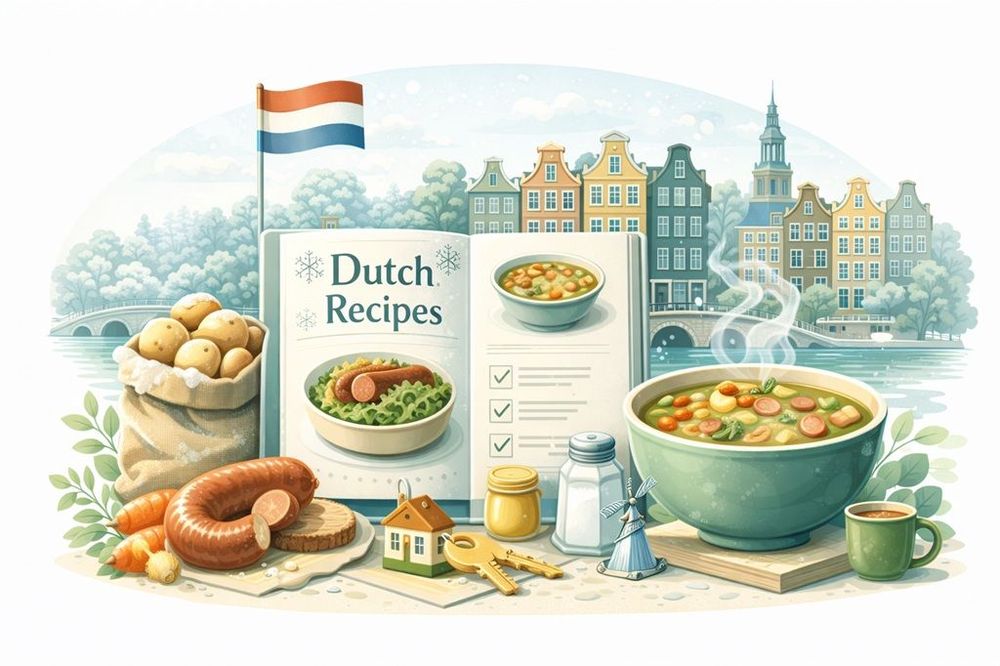
Dutch Winter Recipes:
An Expat's Guide to Eating Like a Local
Six essential Dutch winter dishes — with recipes to make at home, Amsterdam restaurants to try them first, and exactly where to buy the ingredients. Welcome to the warmest part of a Dutch winter.
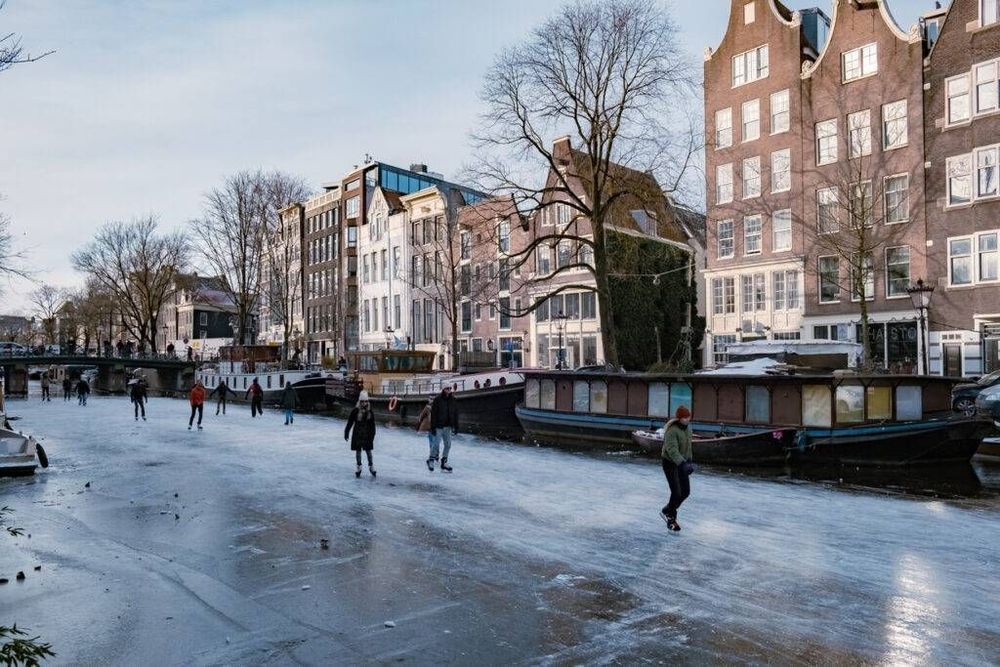
Amsterdam in winter is not subtle. The canals go grey, the wind comes off the IJmeer at an angle specifically designed to test the integrity of your coat, and dusk arrives somewhere around mid-afternoon. If you've just moved here from somewhere with a more forgiving climate, you'll quickly understand why the Dutch have spent centuries perfecting the art of comfort food.
The good news: Dutch winter cooking is genuinely excellent. It's hearty, honest, and built around a few very good ingredients done well. It's not fancy — the Dutch would find that slightly suspicious — but it is deeply satisfying in a way that makes a grey Tuesday evening considerably more bearable. And as an expat in your own temporary accommodation in Amsterdam, there's no better way to feel at home than cooking the same dishes your neighbours have been making for generations.
This guide covers six essential Dutch winter recipes: the background on each dish, a condensed version to cook at home with a link to the full recipe, the best Amsterdam restaurants to try them first (useful when your kitchen is still full of flat-pack furniture), and where to source the key ingredients.
 When to Eat What
The Dutch Winter Food Calendar
Dutch winter food is seasonal in a way that feels almost deliberate. Some dishes appear in October and vanish by March. Others are tied to specific dates in the calendar. Here's a rough guide to what turns up when:
The rule with most Dutch winter dishes: make too much. Nearly all of them taste considerably better the next day, particularly snert, which the Dutch insist should be thick enough to stand a spoon in. If a Dutchman can stand a spoon in your soup, you've done it right.
A Bit of History
Snert — also known as erwtensoep or Hollandse erwtensoep — has been warming the Dutch since at least the 16th century. Originally made with dried split peas, root vegetables, and smoked sausage (all ingredients that survived a long winter without refrigeration), it became the defining dish of Dutch cold-weather cooking. The Dutch take it seriously enough that there's an actual World Championship Snert Cooking held in the Netherlands. Standards are maintained.
The test of a proper snert: leave a spoon standing upright in the bowl. If it falls over, keep cooking. It's traditionally made a day ahead and reheated, which is less laziness and more culinary strategy — the peas absorb the liquid overnight and the flavour deepens considerably.
- 500g dried split green peas
- 1.5L chicken or vegetable stock
- 300g pork ribs or shoulder
- 1 rookworst (Dutch smoked sausage)
- 2 leeks, sliced
- 3 stalks celeriac, diced
- 2 carrots, diced
- 1 large onion, chopped
- 2 potatoes, cubed
- Salt, pepper, bay leaf
- Rye bread & bacon, to serve
- Rinse peas well. Add to a large pot with stock and pork. Bring to a boil, skim any foam.
- Reduce heat, simmer 45 minutes until peas begin to break down.
- Remove pork, shred the meat, discard bones. Return meat to pot.
- Add leeks, celeriac, carrot, onion and potato. Simmer 30 more minutes.
- Add rookworst for the last 15 minutes. Season well.
- Leave overnight. Reheat next day — it will be considerably better. Serve with rye bread.
Where to Try It in Amsterdam
A Bit of History
Stamppot dates to the early 1600s, when potatoes became a staple across the Netherlands. The concept is simple: mash potatoes together with vegetables. The variations are what make it interesting. Boerenkoolstamppot uses kale (the most popular version), zuurkoolstamppot uses sauerkraut, andijviestamppot uses raw endive stirred in at the end, and hutspot uses carrots and onions. There's also hete bliksem — "hot lightning" — which mixes in tart apples for a sweet-savoury effect.
Hutspot has a particularly good origin story. During the 1574 Siege of Leiden, starving townspeople found a pot of stew abandoned by retreating Spanish soldiers. That dish — a muddle of whatever was available — became hutspot, and every year on 3 October, Leiden celebrates its liberation with a city-wide meal of it. Food as living history.
- 1kg floury potatoes, peeled & cubed
- 500g curly kale (boerenkool), washed
- 1 rookworst (smoked sausage)
- 100ml whole milk
- 50g butter
- Pinch of nutmeg
- Salt and pepper
- Gravy (jus), to serve
- Boil potatoes in salted water until tender, about 20 minutes.
- Strip kale leaves from stems. Blanch for 3–4 minutes, drain and chop roughly.
- Warm rookworst in simmering water for 10 minutes (don't boil).
- Drain potatoes, mash with warm milk, butter, nutmeg and seasoning.
- Fold kale through the mash until evenly distributed.
- Serve in a mound with rookworst alongside and gravy poured over.
Where to Try It in Amsterdam
A Bit of History
Hachee (pronounced "ha-SHAY") is the Dutch beef stew: a long, slow braise of beef and onions with vinegar, bay leaf, cloves and a splash of beer or red wine. The acid keeps the meat tender and adds a flavour that sits somewhere between a French daube and a Belgian carbonnade. It's a dish built for a Sunday afternoon when you have nowhere particular to be.
What makes Dutch hachee distinctive is the balance of sweet and sour. The onions caramelise slowly, the vinegar cuts through, and cloves add warmth without heat. Served over mashed potatoes or with boiled red cabbage alongside, it's one of those dishes that tastes genuinely expensive for something made from cheap cuts.
- 750g beef stewing steak, cubed
- 4 large onions, sliced into rings
- 2 tbsp butter
- 2 tbsp red wine vinegar
- 300ml beef stock
- 1 tbsp flour
- 3 cloves
- 2 bay leaves
- 1 tbsp Dutch syrup (stroop) or brown sugar
- Salt, pepper, thyme
- Season beef, brown in butter over high heat in batches. Set aside.
- In the same pan, cook onions low and slow until golden and sweet — about 20 minutes.
- Stir in flour, then add vinegar, stock, cloves, bay leaves, and stroop.
- Return beef to pot. The liquid should barely cover the meat.
- Simmer very gently for 2–2.5 hours, covered. Stir occasionally.
- Adjust seasoning. Serve over mashed potato with rodekool (red cabbage).
Where to Try It in Amsterdam
A Bit of History
Oliebollen — literally "oil balls," which is both accurate and doing them a disservice — are deep-fried dough balls dusted with powdered sugar, studded with raisins or apple pieces. They appear at street stalls across Amsterdam from October onwards and traditionally mark New Year's Eve. The round shape originally symbolised the closing of the year's cycle. The more plausible explanation for their popularity is that they are extremely delicious and impossible to eat just one of.
Their history is surprisingly old. A recipe appeared in the Dutch cookbook De Verstandige Kock in 1667, though earlier versions — fried dough eaten at winter festivals — go back much further. The smell of them cooking at a market stall on a cold Amsterdam evening is one of those sensory memories that stays with you.
- 500g plain flour
- 7g dried yeast
- 300ml warm milk
- 2 eggs
- 1 tsp salt
- 1 tsp sugar
- 150g raisins (soaked in warm water)
- 1 apple, peeled & finely diced (optional)
- Sunflower oil for frying
- Icing sugar to serve
- Dissolve yeast in warm milk with sugar. Leave 5 minutes until foamy.
- Mix flour and salt in a bowl. Add yeast mixture and eggs. Beat to a smooth, thick batter.
- Fold in drained raisins (and apple if using). Cover and prove 1–2 hours until doubled.
- Heat oil to 175°C in a deep pan. Use two wet spoons to drop in rounded portions.
- Fry 3–4 minutes per side until deep golden. Don't overcrowd the pan.
- Drain on kitchen paper, dust generously with icing sugar and eat immediately.
Oil that's too cool makes greasy, undercooked oliebollen. Too hot and they're charred outside, raw inside. A kitchen thermometer makes the difference. 175°C (345°F) is the target — check between batches.
Where to Find Them in Amsterdam
A Bit of History
Dutch appeltaart is not apple pie in the way most people understand apple pie. It's deeper, sturdier, and more cake-like than a flaky pastry tart. The base and sides are a thick, slightly crumbly pastry (more like a biscuit dough), filled with spiced apple slices mixed with cinnamon, sugar, raisins and sometimes lemon zest, topped with a classic lattice. Served warm with a generous ball of slagroom (whipped cream) and a coffee, it's the cornerstone of Dutch café culture.
The recipe goes back further than you might expect — a version appeared in the first printed Dutch cookbook in 1514. Five centuries later, it's in essentially every café in Amsterdam. The Dutch have had a long time to perfect it, and it shows.
- 300g plain flour
- 200g cold butter, cubed
- 150g caster sugar
- 1 egg + 1 yolk for brushing
- Pinch of salt
- 1kg Jonagold or Elstar apples
- 100g raisins, soaked
- 2 tsp cinnamon
- 3 tbsp sugar (for filling)
- 1 tbsp lemon juice
- Slagroom (whipped cream), to serve
- Rub butter into flour and sugar until breadcrumb texture. Add egg, press into a dough. Chill 30 min.
- Peel, core and slice apples thinly. Mix with raisins, cinnamon, sugar and lemon juice.
- Grease a 24cm springform tin. Press ¾ of the dough over base and up the sides (2cm).
- Fill with apple mixture, pressing down firmly.
- Roll remaining dough and cut into strips for a lattice top. Brush with egg yolk.
- Bake at 175°C for 55–65 minutes until deep golden. Cool in tin. Serve with slagroom.
Where to Try It in Amsterdam
A Bit of History
Poffertjes are made with buckwheat flour and yeast, which gives them a lightness and slight tang that sets them apart from ordinary pancakes. They're cooked in a special cast-iron pan with small hemispherical moulds — a poffertjespan — and served in portions of fifteen to twenty, with a generous knob of butter melting over the top and powdered sugar applied with some commitment.
They're everywhere in Amsterdam year-round, but they feel most appropriate in winter, eaten from a paper tray at a market stall with gloved hands, in defiance of the cold. Any Dutch child who has not eaten their weight in poffertjes is living an incomplete life, and expats should feel entirely free to make up for lost time.
- 150g buckwheat flour
- 150g plain flour
- 7g dried yeast
- 350ml warm milk
- 2 eggs
- 1 tbsp sugar
- Pinch of salt
- Butter (for pan and serving)
- Icing sugar, to serve
- Dissolve yeast in warm milk with sugar. Leave 5 minutes.
- Mix flours and salt, make a well. Add yeast mixture and eggs. Whisk to a smooth batter.
- Rest 30 minutes. Batter should be thick but pourable.
- Heat poffertjespan or a blini pan over medium heat. Butter each mould well.
- Fill each hollow ¾ full. When bubbles appear (2 min), flip with a skewer or fork.
- Cook 1–2 minutes more. Serve immediately with cold butter and icing sugar.
Where to Try Them in Amsterdam
Where to Buy Dutch Winter Ingredients in Amsterdam
The good news: most Dutch winter recipes use ingredients that are cheap, widely available, and easy to find. You don't need a specialist shop for stamppot or snert — an Albert Heijn will have everything. That said, knowing where to go for the best version of each ingredient makes a real difference.
Albert Heijn
Jumbo
Albert Cuyp Market
Ekoplaza / Food Marqt
Kaaskamer — Runstraat 7
Noordermarkt (Saturdays)
Rookworst (Dutch smoked sausage) is the key protein in both snert and stamppot. It comes in two forms: pre-cooked in a vacuum pack (just heat in simmering water) and fresh from a butcher. The supermarket version is fine for both dishes. If you want the best, ask at a local slager (butcher) — most neighbourhoods still have one. The fresh rookworst is noticeably better.
Dutch Ingredient Vocabulary
Navigating Dutch supermarket labels is straightforward once you know the key terms. Here are the words you'll need for winter cooking:
| Dutch | English | Where to find it |
|---|---|---|
| Spliterwten | Split green peas | Dry goods aisle, AH / Jumbo |
| Rookworst | Smoked sausage | Chilled meats, all supermarkets |
| Boerenkool | Curly kale | Pre-bagged, vegetable aisle |
| Zuurkool | Sauerkraut | Jars in the condiment aisle |
| Stroop | Dutch syrup (treacle-like) | Condiment aisle — used in hachee |
| Slagroom | Whipped cream | Dairy aisle — essential with appeltaart |
| Roomboter | Real butter (not margarine) | Dairy aisle — look for this specifically |
| Jus / Vleesjus | Gravy | Sachets or cartons, near stock cubes |
One of the most underrated advantages of Amsterdam serviced apartments over hotels is having a proper kitchen. Most Dutch winter recipes — stamppot, snert, hachee — are built for batch cooking. Make a large pot on a Sunday evening and you have lunches sorted for most of the week. It's genuinely practical and significantly cheaper than eating out every day. City Retreat apartments come fully equipped for exactly this kind of cooking.
If you're in Amsterdam on a longer expat rental or corporate housing stay, finding your local Albert Heijn and trying one of these recipes in your first week is honestly one of the better ways to start feeling at home.
Frequently Asked Questions
Most Dutch winter dishes are more about time than technique. Snert and hachee are long, slow cooks — they require patience more than skill. Stamppot is essentially boiling and mashing. Oliebollen are the most technical (deep frying requires attention to temperature), but still very manageable. None of these dishes demand anything beyond a decent pot, a hob, and a willingness to leave things alone while they cook.
Almost everything you need for Dutch winter cooking is in any Albert Heijn or Jumbo. The only ingredient that might require a small search is good-quality stewing beef for hachee (a local slager or Ekoplaza is worth it). Rookworst, split peas, boerenkool, stroop and zuurkool are supermarket staples. For the best fresh produce, Albert Cuyp Market (daily except Sunday) and Noordermarkt (Saturdays) are excellent options.
Yes. Stamppot works perfectly without rookworst — substitute a good veggie sausage or simply serve it with extra gravy and a fried egg on top (genuinely delicious). Snert can be made entirely vegetable-based using a rich stock without pork — it loses the smoky depth but remains very good. Appeltaart and poffertjes are naturally vegetarian. Hachee is harder to adapt, but mushroom-based versions with the same sweet-sour profile are worth experimenting with.
Oliebollen stalls (oliebollenkramen) typically appear in Amsterdam from October and run until New Year's Eve — they're a specifically seasonal treat, which is part of what makes them feel special. New Year's Eve is the peak day; stalls do enormous business as the Dutch eat oliebollen in the hours before midnight. After 1 January, they disappear again until the following autumn. If you arrive in Amsterdam in winter, seek them out early — they're well worth it.
Stamppot is the general category: mashed potato combined with any vegetable. Hutspot is a specific type of stamppot made with carrots and onions — it's one of the most popular variations. Other stamppot varieties include boerenkoolstamppot (with kale), zuurkoolstamppot (with sauerkraut), and andijviestamppot (with raw endive). If a Dutch person says they're making stamppot, they could mean any of these. If they say hutspot, they mean the carrot-and-onion version specifically.
Yes. All six recipes require only standard kitchen equipment: a large pot (essential for snert and hachee), a masher, a baking tin for the appeltaart, and a deep pan or saucepan for frying oliebollen. A poffertjespan (around €20 from Blokker) is the only specialist item, and an alternative is to cook small rounds in a regular non-stick pan. City Retreat short-stay rentals come fully equipped with kitchenware for exactly this kind of cooking.
Staying in Amsterdam This Winter?
All City Retreat apartments come with a fully equipped kitchen — built for exactly this kind of cooking. Whether you're here for a month or six, our Amsterdam serviced apartments give you the space to actually live here, not just stay here.
View Available Apartments